It's 2am. I am still thinking about the meeting at 9. In my mind, I am replaying the worst case until it feels true — rehearsing it again and again, checking if I have missed something. If this sounds like your nights before a big day, this week's EQ group is for you: decision making.
Emotions sit inside every decision. The skill is using them as data without letting them drive. Three skills live here:
→ Problem solving — thinking clearly when the stakes are high and the clock is running
→ Reality testing — asking "fact, or the story I'm telling myself?"
→ Impulse control — the 90-second pause before you reply
Under stress, every problem feels urgent
Here is what stress does to a capable mind: it narrows it. The brain under pressure stops sorting problems by importance and starts sorting them by loudness. The email that arrived angry gets answered before the decision that actually matters. The worst case, rehearsed enough times at 2am, stops feeling like a possibility and starts feeling like a fact.
That is not preparation. Preparation is when you are gathering information. The 2am replay is when the emotion has taken the pen and is writing the story itself — and calling it planning.
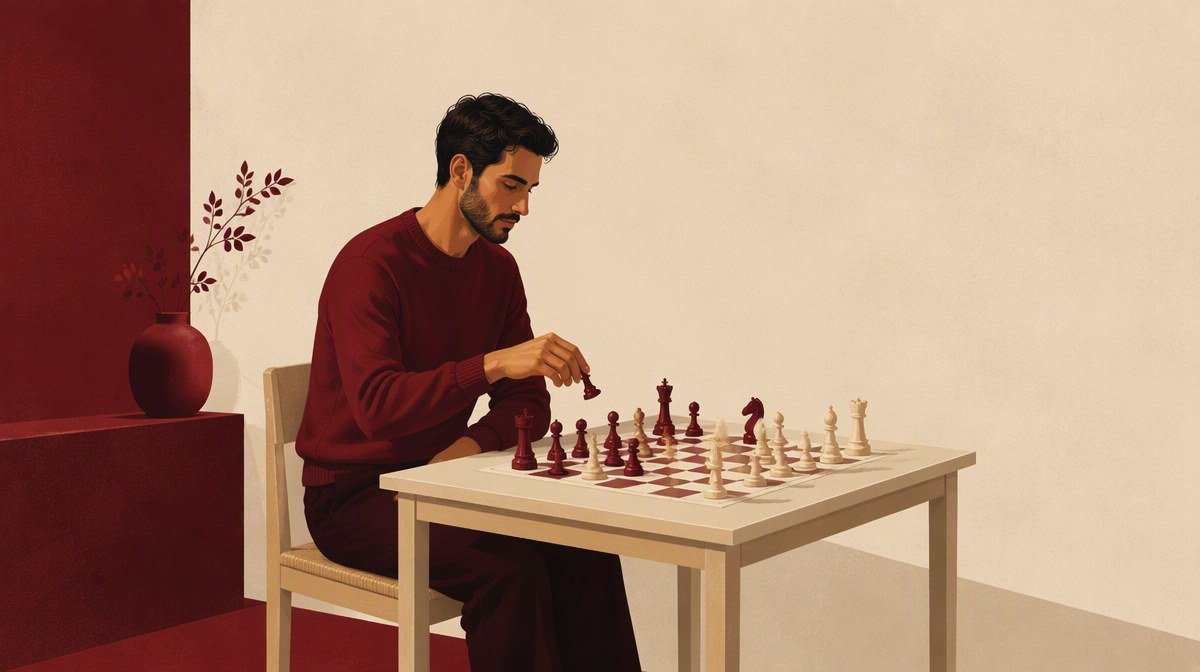
Fact, or the story I'm telling myself?
The one-page habit
Try reality testing tonight, on paper. When the fear shows up, write the evidence for it, then the evidence against it. Two columns, one page, honest ink. What usually happens is almost embarrassing: the "for" column has feelings dressed up as facts, and the "against" column has the actual record of your life. Most fears do not survive the page.
And for the daytime version — the angry email, the sharp reply forming in your throat — there is impulse control: the 90-second pause. Feelings crest and fall in about ninety seconds if you don't feed them. Wait out the wave, then decide. The decision you make after the wave is the one you would have respected at 2am.
Which of these three is hardest for you?